So if you’ve followed along so far, you’ve got your little pots stuffed full of seeds and have taken the first steps to having a very successful and prolific garden this summer. Good for you!! During these times, it sure does make me feel a level of comfort knowing that I will have access to fresh vegetables in the coming months. It makes me feel like I am being proactive in providing food for the upcoming months.
Some plants don’t need quite as much love as others. Some plants don’t even need as much warmth as others. This is a good thing, since it allows you to use the same garden plot to grow different crops on top of one another. Remember when I said not to plant all your cabbage at the same time? Well, now I will lay that plan out in detail and let you decide what will work for your growing situation. Crops like cabbage, broccoli, spinach and most common herbs are hearty and will flourish in not-so-ideal conditions.
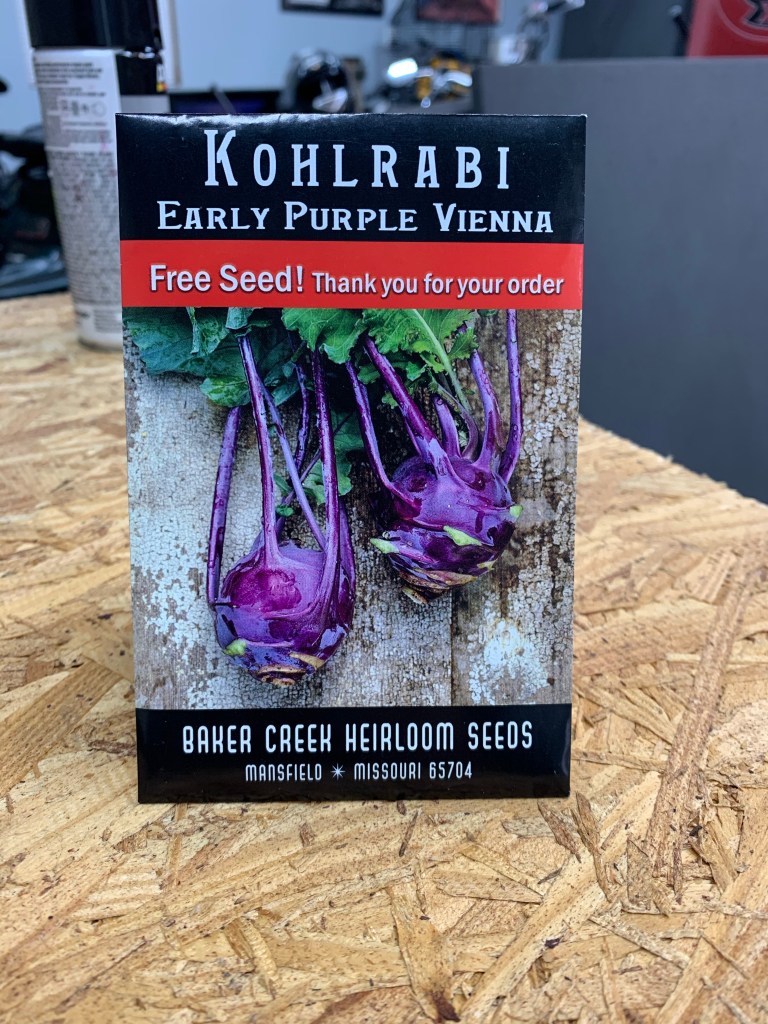
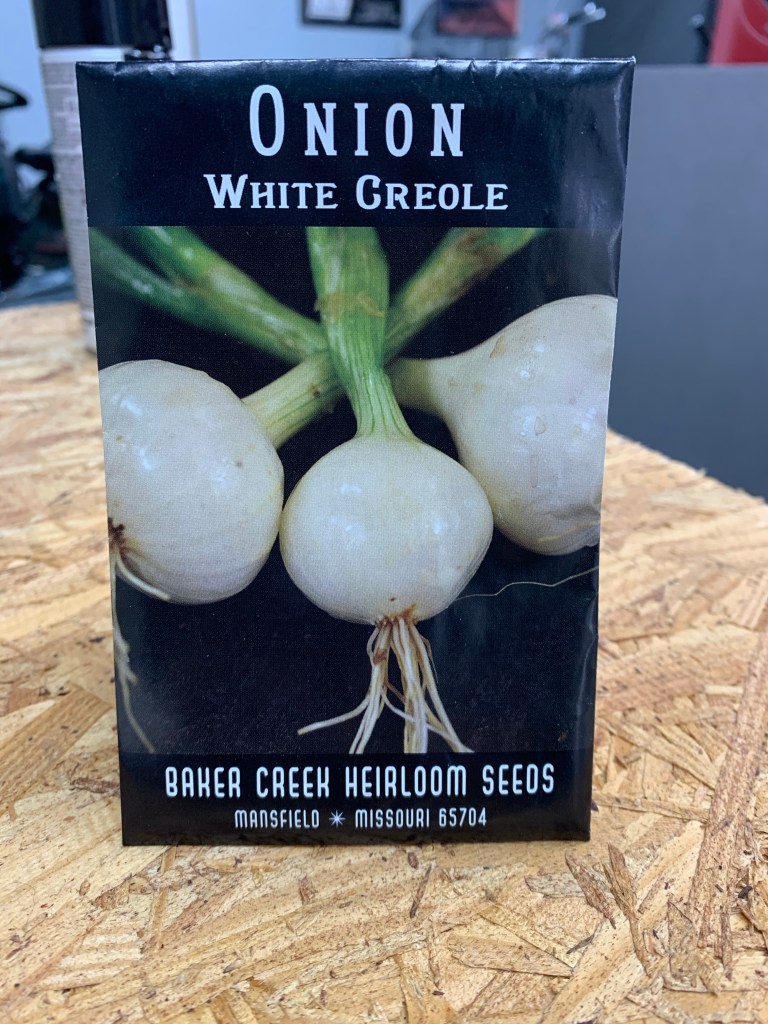
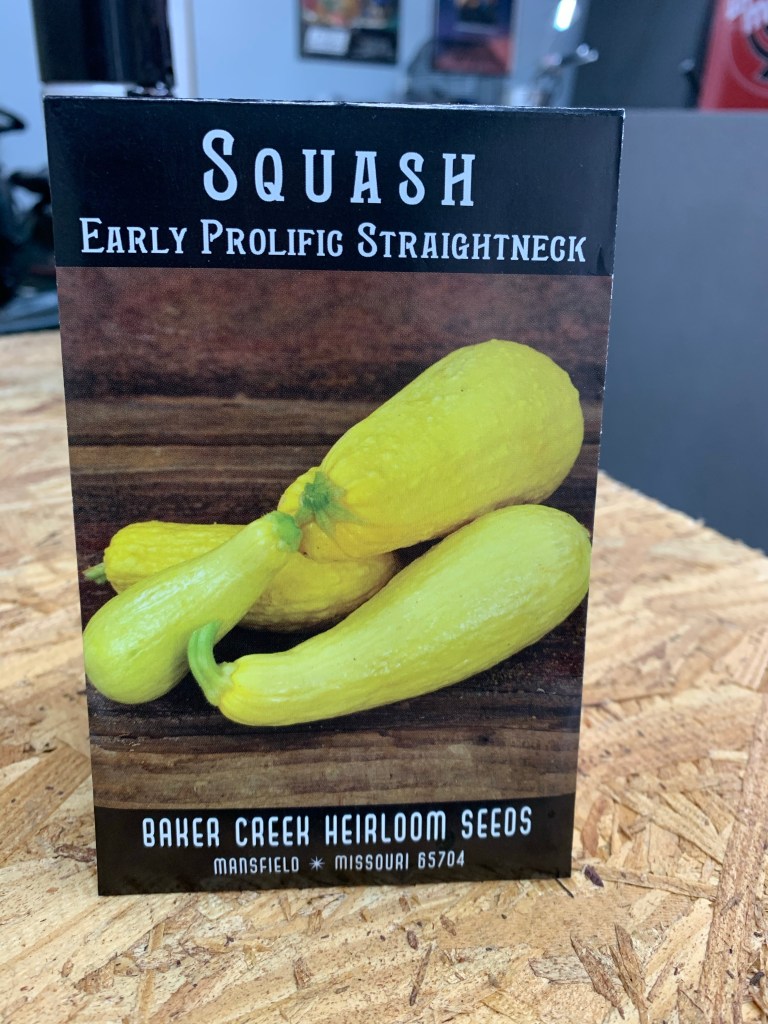
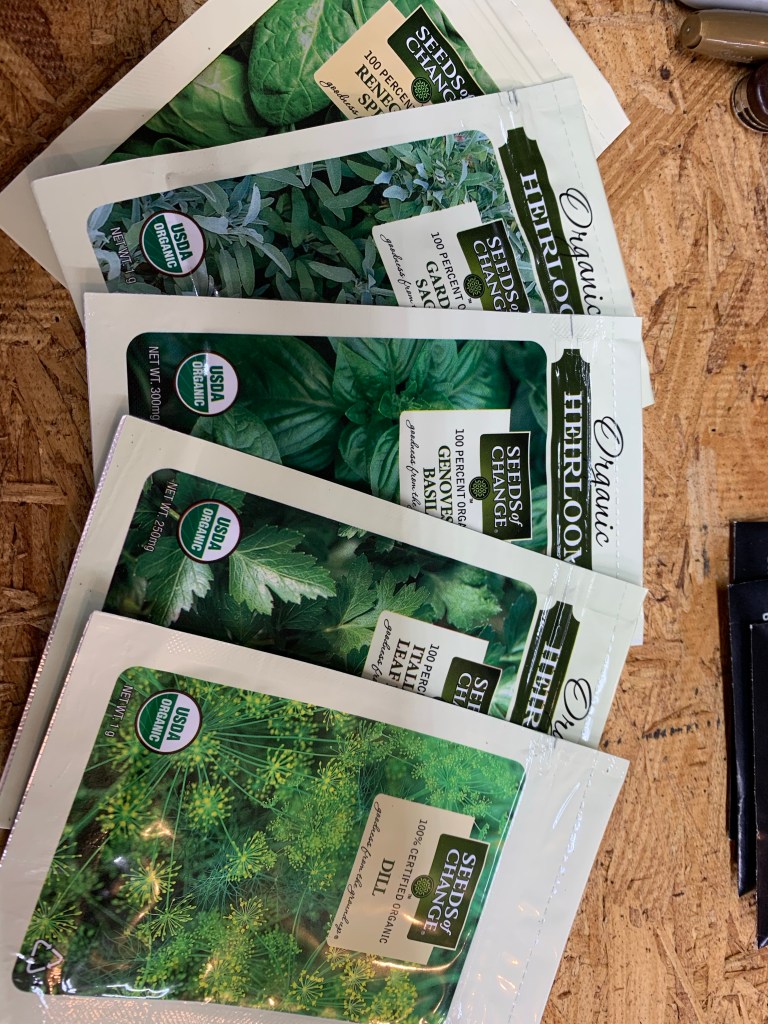
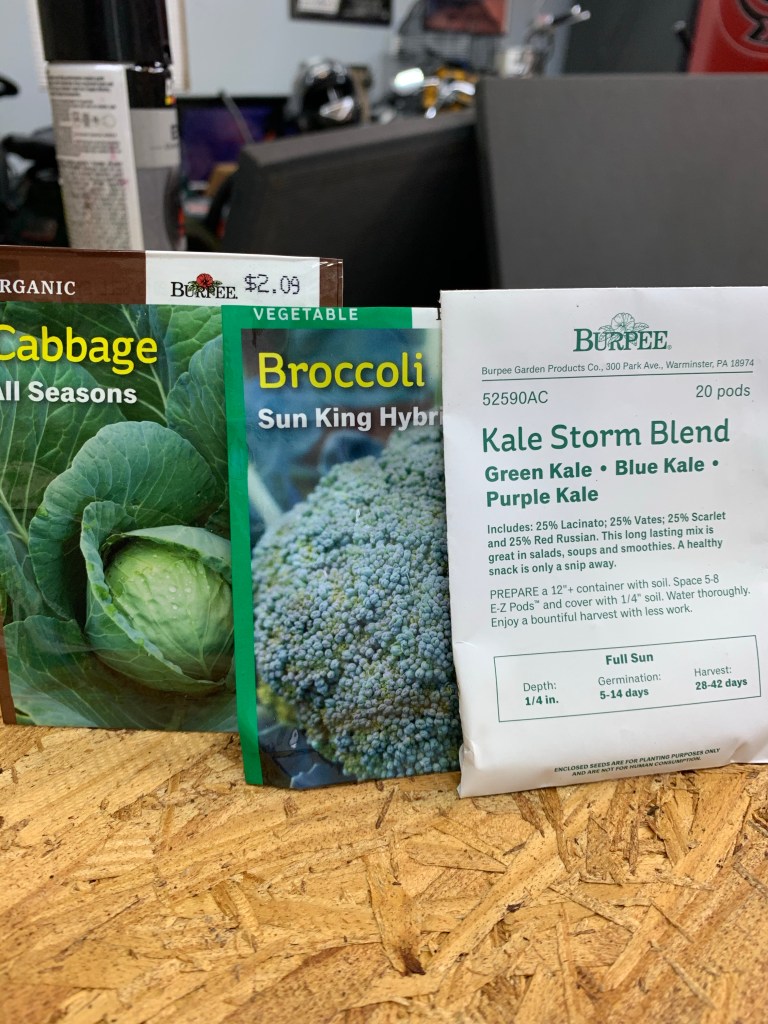
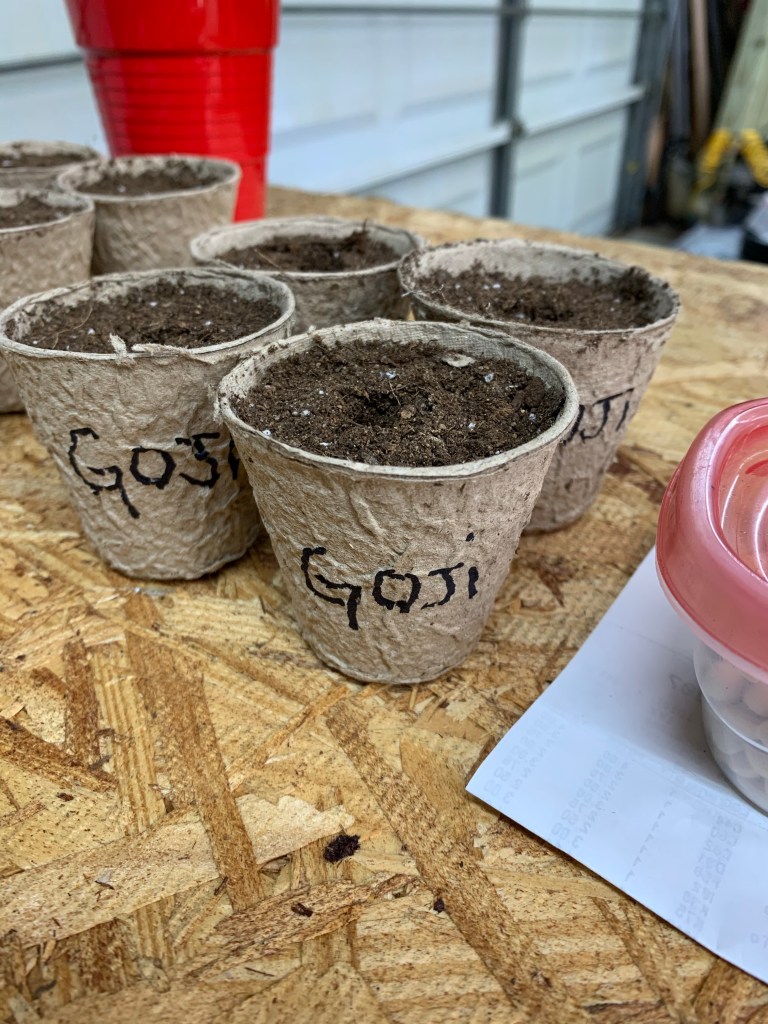
I hope this starts to explain the difference between cold weather garden (commonly referred to as the spring/fall garden) and the summer garden. Some plants can thrive in pretty tough conditions while others are delicate and need things to be just right for optimum growing. Some plants grow into the vegetable and are eaten as a whole (like cabbage) and some keep producing all summer (like tomatoes). Rotation in planting helps to ensure you’ll be enjoying those broccolis all summer along with your tomatoes. Now is a perfect time to snuggle up with a blanket on the couch and read the back of all your seed packets, become accustomed to their quirks and differences before they sprout into baby plants and go into the ground. Learn what you can expect from each plant. Learn which ones you will be rotating and whatever you do….DON’T plant all your cabbage seeds in the same day!!
 Let’s Grow Together